
Planning for Pollinators: Preparing for Spring During Six More Weeks of Winter
Updated: Feb 3, 2025

As the groundhog predicts six more weeks of winter, gardeners eagerly await spring but can use this time wisely to plan and prepare for a pollinator-friendly landscape. Pollinators, such as bees, butterflies, hummingbirds, and other beneficial insects, play a crucial role in the health of our gardens and food systems. Thoughtful planning now ensures a vibrant, pollinator-rich garden when the weather warms.
It Starts With Plants

Selecting the right plants begins now to integrate into plans and sketches, the dedicated gardener is inevitably scratching out on these cold winter days. A diverse selection of nectar and pollen-rich plants supports pollinators throughout the growing season. Consider native plants, as they provide the best food sources for local pollinators. Early bloomers such as crocus, snowdrops, and hellebores offer much-needed sustenance to bees emerging from winter dormancy once temps rise enough to temp them out of their nests. Read more in the fantastic book, 100 Plants to Feed the Bees, by the Xerces Society.

For sustained support, plant to incorporate a mix of flowering plants that bloom at different times. Lavender, coneflowers, bee balm, and milkweed are excellent choices that provide nectar from spring through fall. These plants can be started now inside to promote early, long lasting blooms and feed the hankering to start sowing seeds. We love the selection Botanical Interest offers, which include shade mixes, hummingbird favorites and other large mix sets.
Create Shelter and Nesting Sites
Pollinators need more than just food; they require safe places to nest and overwinter. Plan on leaving patches of bare ground, undisturbed wood, and leaf litter that provides essential habitat for native bees and butterflies. Consider adding pollinator hotels or rock piles to accommodate solitary bees. Hummingbirds benefit from dense shrubs and trees that offer protection and nesting sites. Winter weather offers a great time to build a bee hotel and plan for incorporating pollinator nesting spaces.
Avoid Pesticides and Chemicals
One of the biggest threats to pollinators is the use of chemical pesticides and herbicides. Opting for organic and natural pest control methods to create a safe environment for beneficial insects is a healthy choice one can plan for now also. Encouraging natural predators, such as ladybugs and praying mantises, can help maintain pest populations without harming pollinators. Planning for these beneficial insects is an attractive reason to implement pollinator patches in the garden.
Providing Water Sources

Pollinators need access to clean water. Birdbaths, shallow dishes with pebbles, or gently dripping fountains offer essential hydration for bees and butterflies. In freezing conditions, consider adding a small floating object to prevent water sources from icing over completely. Winter offers a perfect time for adding these features into your garden plans. If you are creative at constructing, building your own water features now to place into your garden will be much appreciated after thought. Or support creative entrepreanuers like J Dunford Arts who makes these adorable resin flowers to feed the birds and bees
Start Sowing Seeds Indoors NOW
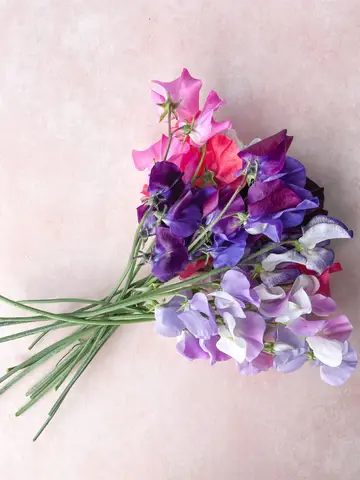
Even while winter lingers, gardeners can get a head start by sowing seeds indoors. Flowers such as sunflowers, zinnias, and cosmos can be started early and transplanted when temperatures rise. This ensures an early nectar source for pollinators arriving in spring. Here in southwest Washington starting sweet peas, snap dragons, poppies, begonias petunias, delphiniums and geraniums can be a respite from the dreary cold winter days. For beautiful, sweet pea varieties, reach out to our local flower farm, The Flower People, for the most beautiful varieties grown locally.
Winter is an excellent time to learn more about pollinator conservation. Consider volunteering for the community garden or creating a certified pollinator habitat through organizations like the Xerces Society or the National Wildlife Federation. Save Our Monarchs is a great organization that will send free milkweed seeds to you to incorporate into your space.
By using these extra weeks of winter to prepare, you’ll be ready to welcome pollinators as soon as spring arrives. Thoughtful planning ensures a thriving, pollinator-friendly garden that benefits both nature and the gardener’s harvest. So, while winter holds on a little longer, embrace the opportunity to plan, prepare, and support the essential creatures that keep our gardens blooming.


Comments